
NEWS & ANNOUNCEMENTS
Transforming Learning through Meaningful Student Engagement
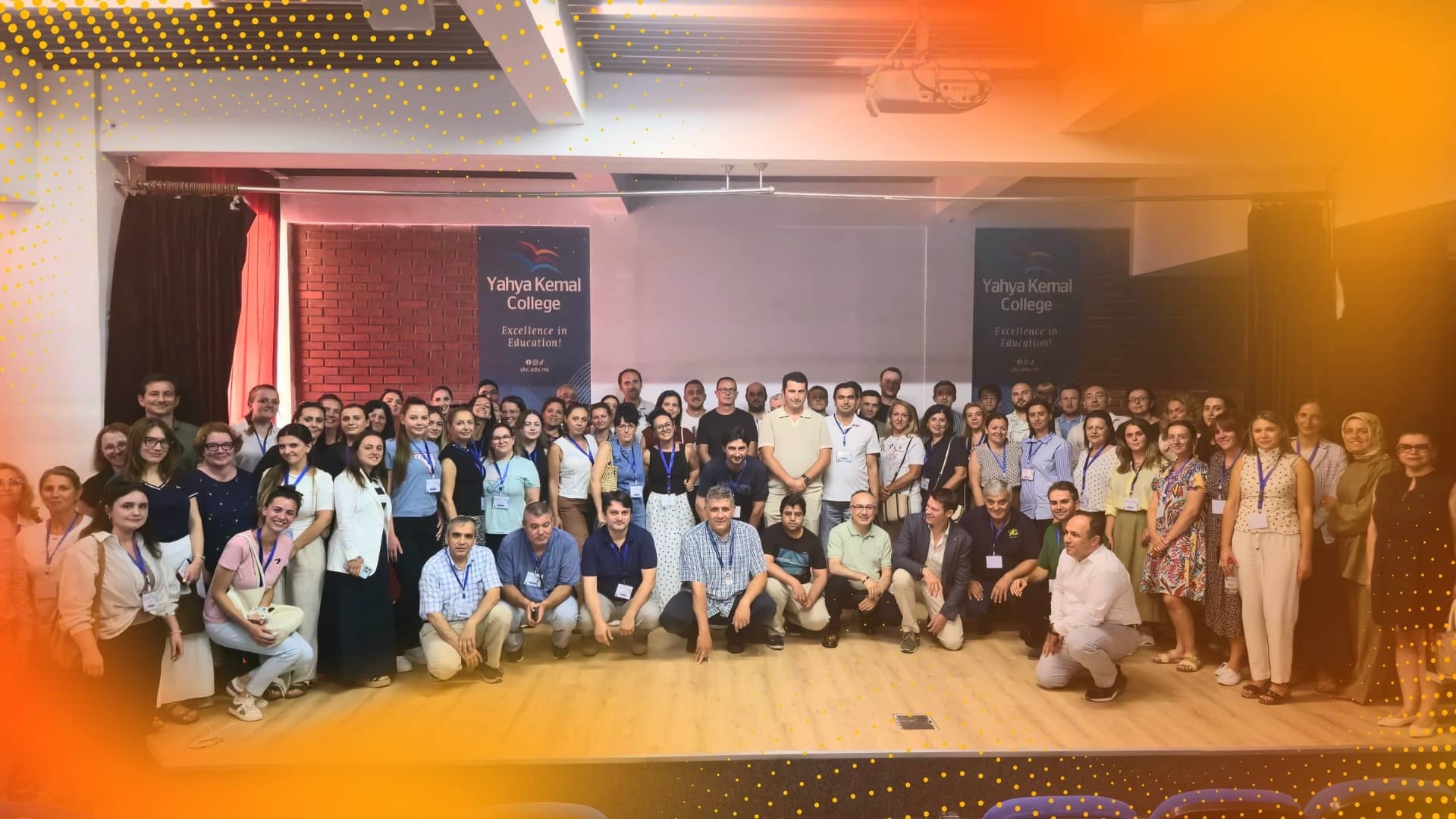
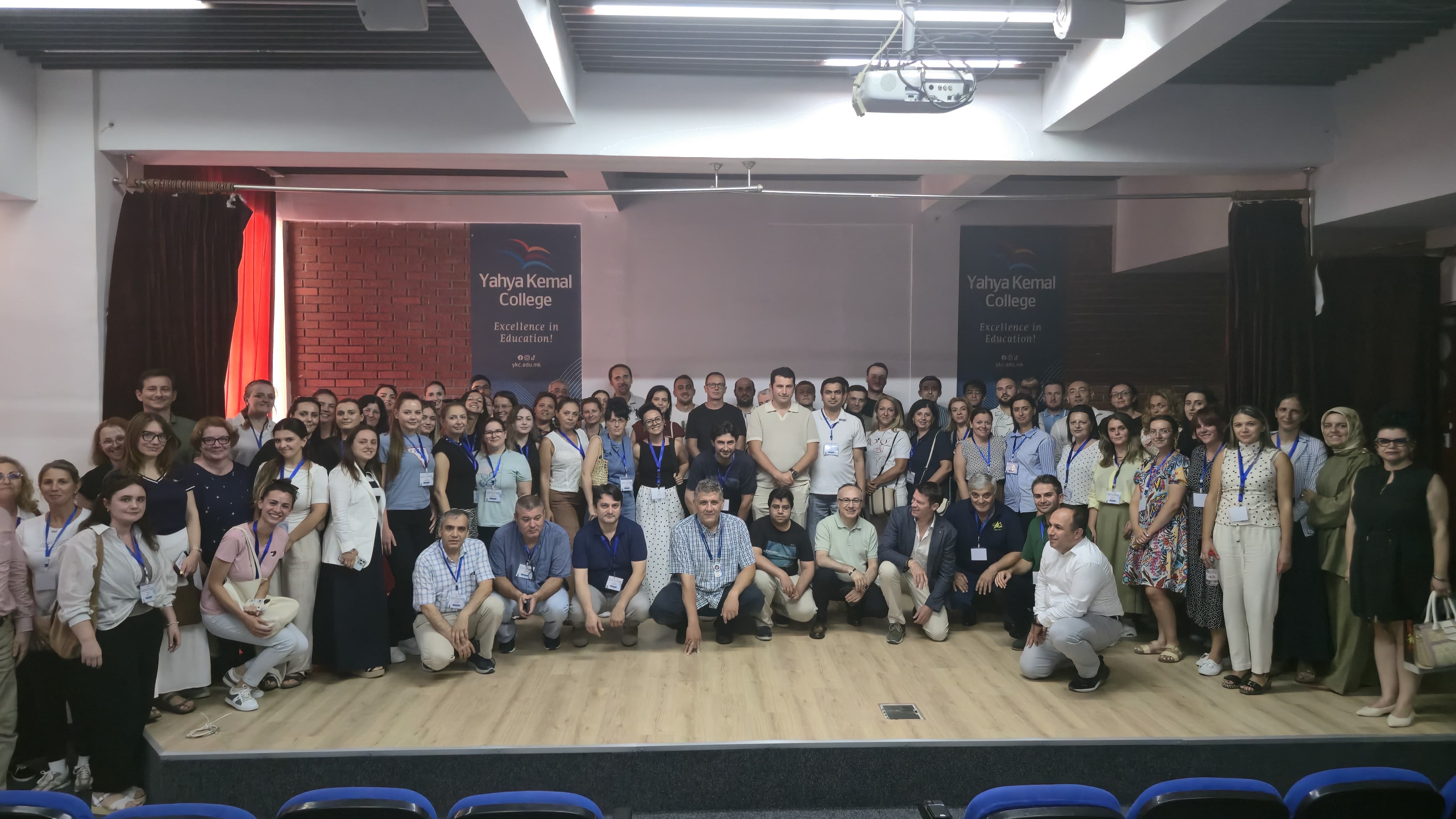
A two-day professional development programme held on 13–14 August 2026 brought together 106 educators, school professionals, students and guest speakers to explore practical ways of strengthening student engagement and creating more active, reflective and student-centred learning environments.
The programme welcomed participants representing elementary and high school education from the Skopje, Tetovo and Struga campuses. Through keynote presentations, student contributions, flash talks, panel discussions, interactive workshops and best-practice sharing, participants examined how learning sciences, project-based learning and metacognitive strategies can transform everyday classroom practice.
Day 1: Learning Sciences, Student Voice and Project-Based Learning
The first day began at 09:00 with breakfast and networking. This informal opening gave participants an opportunity to meet colleagues from different campuses, departments and school levels before the official programme began.
Registration took place from 09:45 to 10:00, followed by the formal opening session. At 10:00, Ismail Erdil welcomed the participants and officially opened the two-day programme.
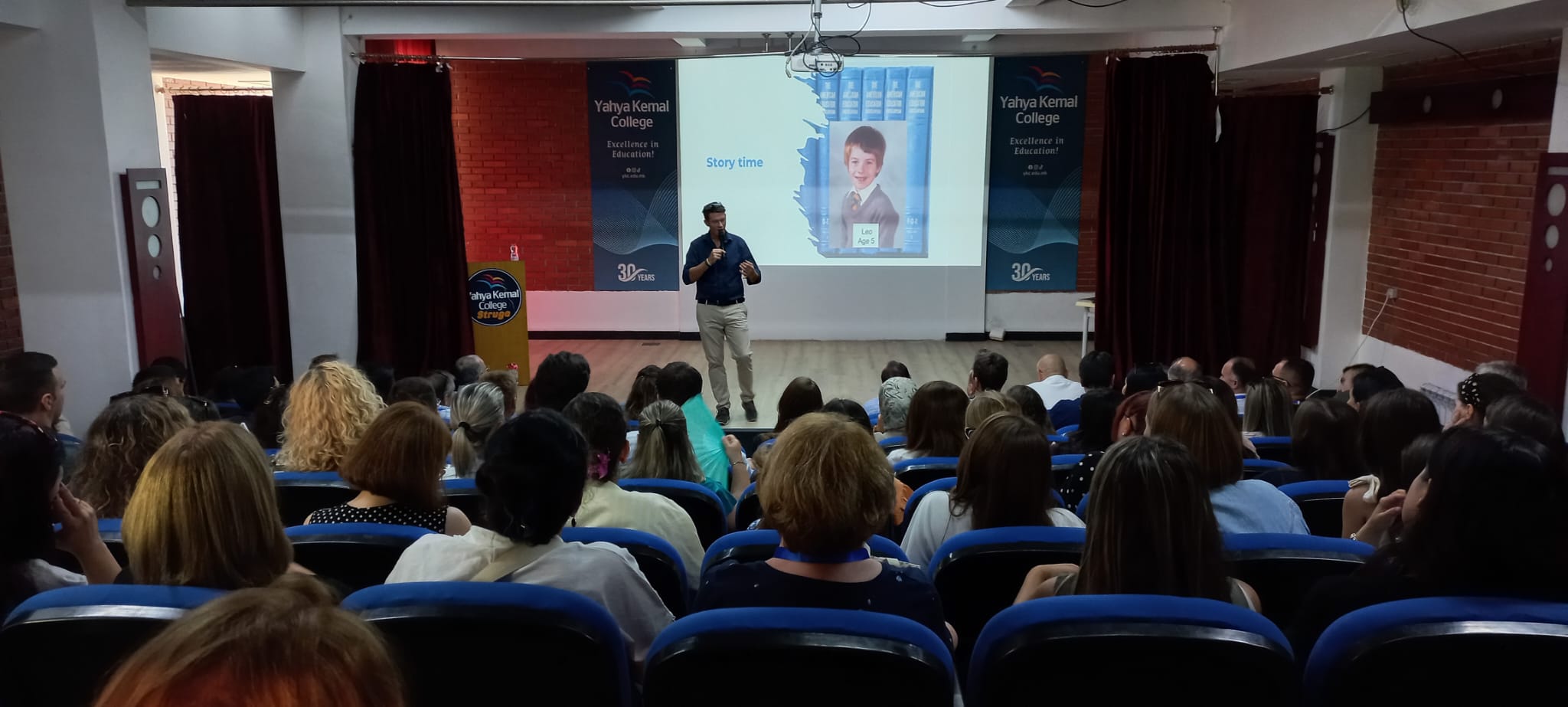
At 10:30, Leo Thompson delivered the keynote speech titled “How Can We Apply the Learning Sciences for Greater Student Engagement?”
The keynote focused on how educators can use knowledge about the learning process to create more effective classroom experiences. Participants reflected on the importance of attention, motivation, participation and purposeful classroom activities in helping students become more actively involved in their education.
The keynote was followed by two Student Voice sessions. At 11:00, Irem Tauk shared a student perspective on learning and engagement. At 11:10, Anastasija Sikoska continued the Student Voice segment by presenting her own experiences and observations.
Including students directly in the programme highlighted an essential message of the event: meaningful student engagement cannot be fully understood without listening to students themselves. Their contributions gave educators an opportunity to consider classroom practices from the learner’s point of view.
At 11:20, Vugar Babayev delivered a flash talk titled “2+2=4?” The presentation encouraged participants to question familiar assumptions and consider whether education should focus only on reaching the correct answer or also on developing curiosity, reasoning, creativity and independent thought.
After the morning presentations, participants had a coffee break and transferred to their assigned breakout rooms in preparation for the workshop programme.
First Workshop Rotation
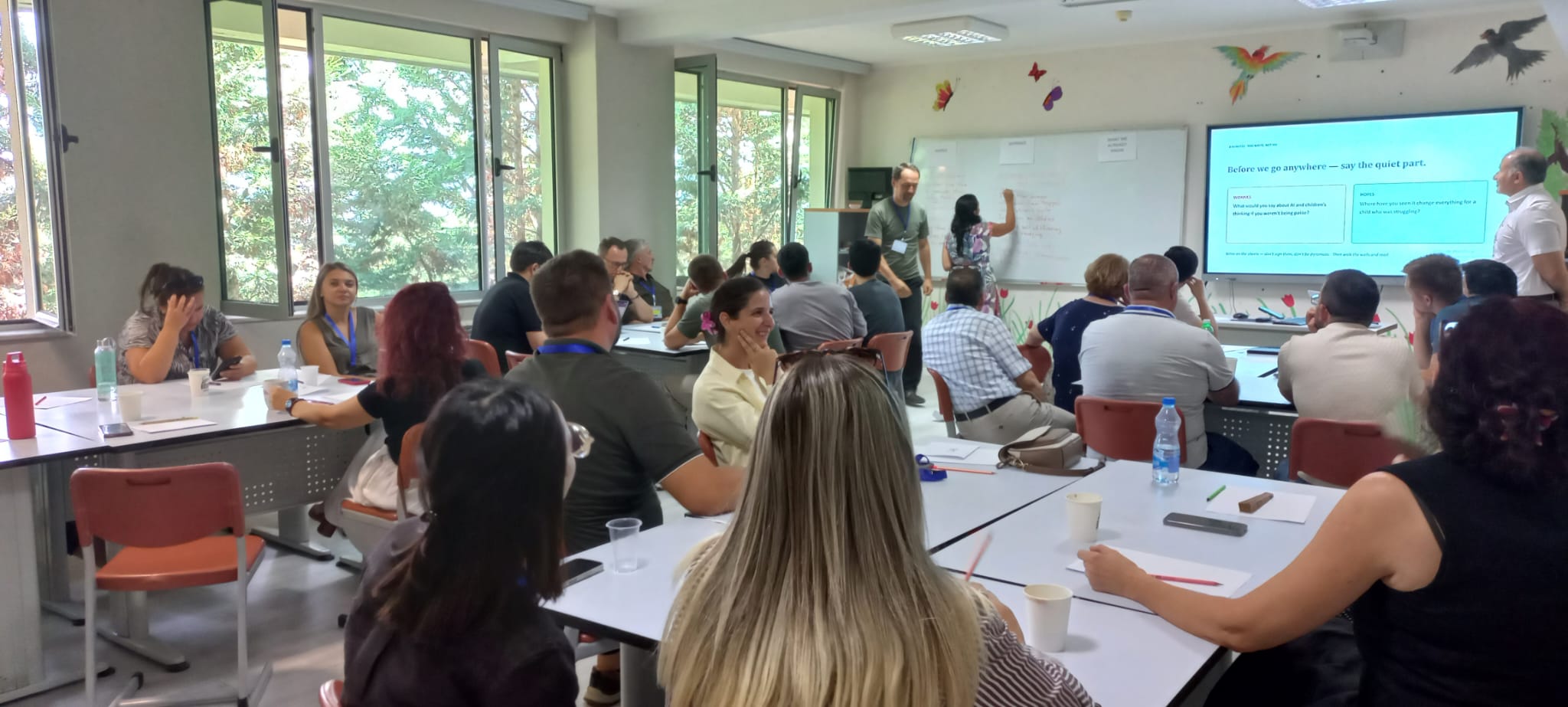
The first workshop rotation took place from 12:20 to 13:45. Participants were divided into four groups, with parallel sessions delivered in English and Macedonian.
Ali Yuksel led the English-language workshop “Who Is Doing the Thinking?” for Group A. The session encouraged educators to examine who performs the most important intellectual work during a lesson—the teacher or the students. Participants reflected on how questioning, classroom tasks and teacher explanations can either encourage or limit independent student thinking.
At the same time, Sinan Kosak led the English-language workshop “How PBL Engages Students” for Group B. The workshop explored how project-based learning can help students become more active participants by connecting academic content with meaningful questions, teamwork, research and real-world challenges.
For the Macedonian-language groups, Arlind Jakupi presented “Who Is Doing the Thinking?” to Group C, while Musah Feyzulov delivered “How PBL Engages Students” to Group D.
Following the first workshop rotation, participants had lunch from 13:45 to 14:30.
Second Workshop Rotation
The second rotation began at 14:30 and continued until 16:00, allowing the groups to attend the workshop topic they had not completed during the morning session.
Ali Yuksel delivered “Who Is Doing the Thinking?” to English-language Group B, while Sinan Kosak presented “How PBL Engages Students” to English-language Group A.
In the Macedonian-language sessions, Musah Feyzulov delivered “How PBL Engages Students” to Group C, while Arlind Jakupi presented “Who Is Doing the Thinking?” to Group D.
The rotation system ensured that every participant could engage with both of the day’s central workshop themes. Through practical activities, professional discussion and reflection, educators explored how to reduce passive learning and create lessons in which students question, analyse, collaborate and take greater responsibility.
The formal educational programme concluded at 16:00. Participants then had free time until 18:30, followed by dinner from 18:30 to 19:30. The evening provided an additional opportunity for informal conversation and professional exchange among colleagues from different campuses and school levels.
Day 2: Metacognition, Professional Dialogue and Best-Practice Sharing
The second day began with breakfast and networking from 09:00 to 10:00. This was followed by an opening session from 10:00 to 10:15, during which the programme’s main themes were revisited and participants prepared for the final day’s activities.
At 10:15, Kemal Yildiz delivered a flash talk. The short presentation introduced new ideas for discussion and encouraged participants to continue reflecting on meaningful engagement, classroom practice and the role of educators in supporting active learning.
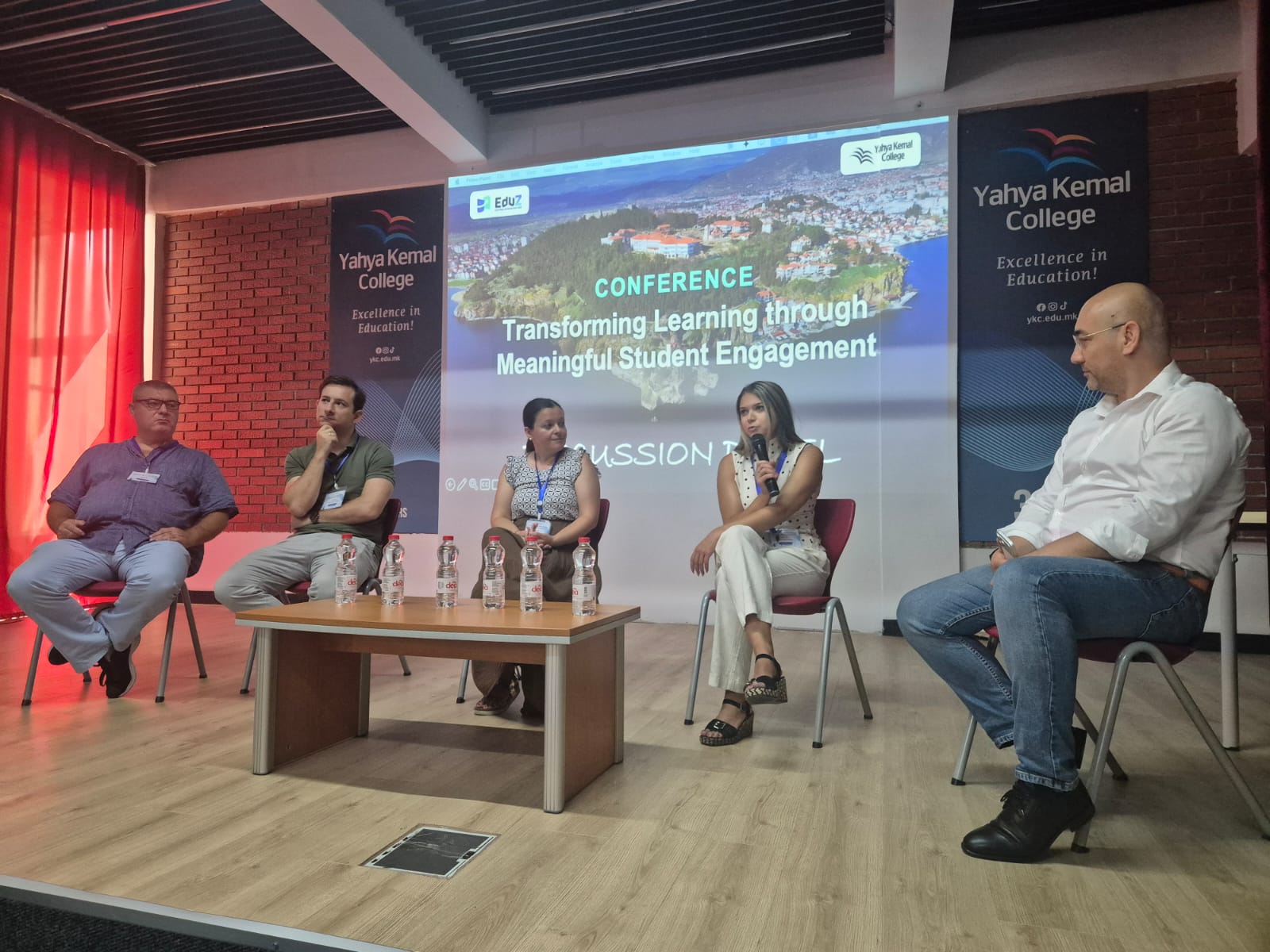
A panel discussion followed from 10:30 to 11:15. The panel created space for different educational perspectives and allowed participants to consider how the ideas presented during the programme could be adapted to different subjects, age groups and classroom environments.
After a short break from 11:15 to 11:30, Leo Thompson returned to lead the workshop “Engagement through Metacognitive Strategies.”
The workshop, held from 11:30 to 13:00, focused on helping students become more aware of how they learn. Participants explored strategies that encourage learners to plan their work, monitor their understanding, evaluate their progress and reflect on the methods that help them learn most effectively.
Metacognitive strategies were presented as an important part of student engagement because they move students beyond simply completing tasks. They help learners understand their own thinking and gradually become more independent, responsible and confident.
Following the workshop, participants had lunch from 13:00 to 14:00.
At 14:00, Sinan Kosak delivered the second flash talk of the day. The presentation served as a transition into the afternoon programme and encouraged participants to connect the ideas from the keynote speeches and workshops with practical classroom experiences.
Best-Practice Sharing
From 14:15 to 15:45, participants took part in a best-practice-sharing session.
This part of the programme gave educators an opportunity to share successful classroom methods, activities and approaches from their own professional experience. Participants discussed strategies that had proved effective in increasing student participation, supporting collaboration and improving the overall learning experience.
The session also strengthened cooperation among educators from elementary and high school levels and from the Skopje, Tetovo and Struga campuses. By exchanging examples from different subjects and educational contexts, participants were able to identify ideas that could be adapted and applied within their own classrooms.
Closing and Reflections
The programme concluded with a closing and reflection session from 15:45 to 16:00.
Participants reflected on the most important ideas from the two days, including the application of learning sciences, the importance of student voice, the role of project-based learning, the value of metacognitive strategies and the need to give students greater ownership of their learning.
By combining expert presentations, student perspectives, practical workshops and professional exchange, “Transforming Learning through Meaningful Student Engagement” provided a valuable space for learning, collaboration and reflection.
The participation of 106 educators and school professionals demonstrated a shared commitment to building classrooms in which students are not only present, but actively thinking, questioning, creating and participating in their own learning.


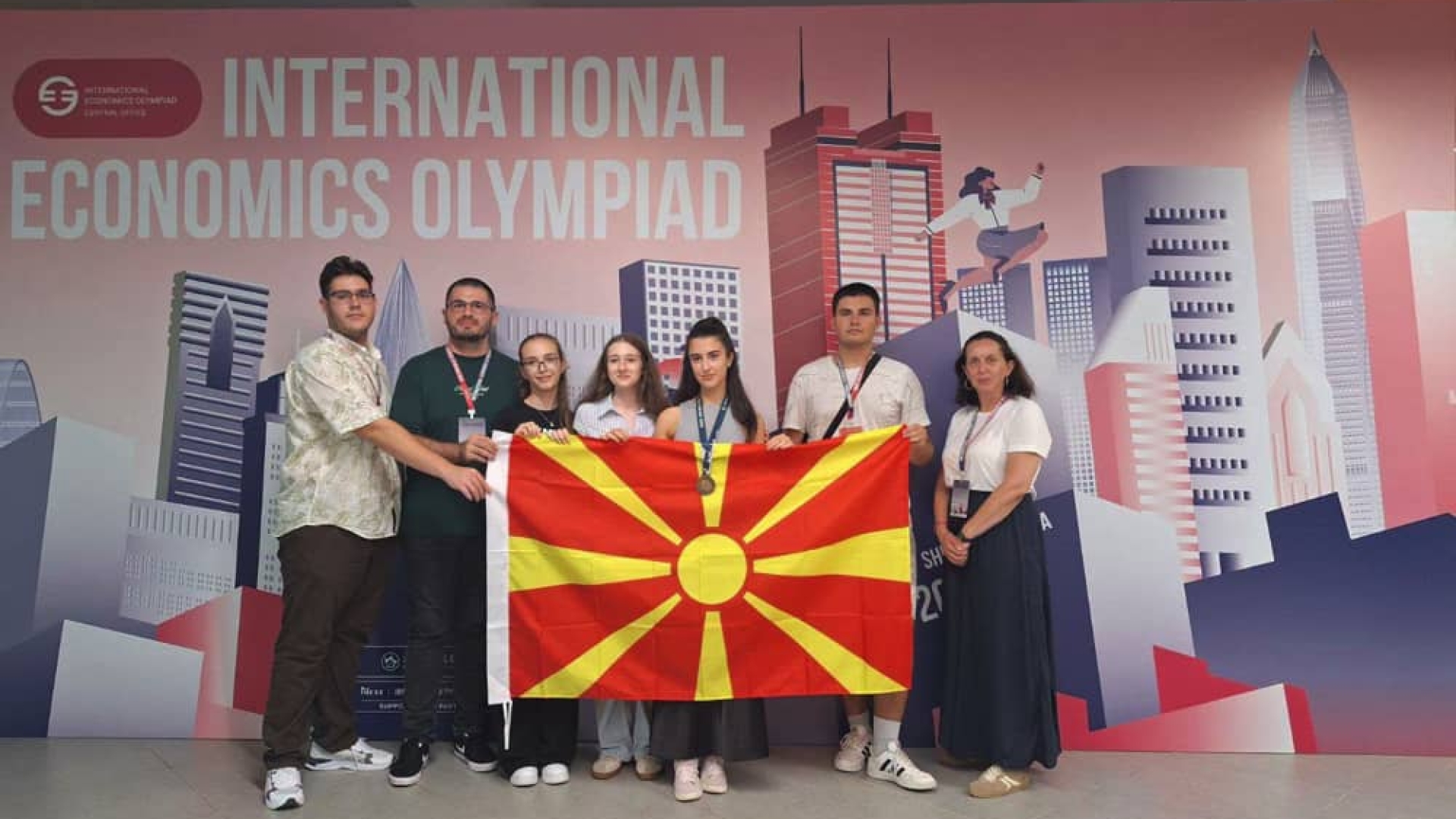

Yahya Kemal College is a school located in Skopje, Republic of North Macedonia, established in November 1996.
It was established according to protocols signed between Yahya Kemal secondary schools and the Ministry of Education of the Republic of North Macedonia.
The school is named after Yahya Kemal Beyatlı, a notable Turkish writer and poet who was born in Skopje.
The best Education, Science & Culture website award for 2020.

News & Announcements
- Transforming Learning through Meaningful Student Engagement 13 August 2026
- Learning in Action at Yahya Kemal Elementary School 10 August 2026
- Yahya Kemal Colege Students Represent North Macedonia at IEO 2026 26 July 2026
- Леонид Тодороски од „Јахја Кемал“ Струга освои бронзен медал на Светската математичка олимпијада во Кина | StrugaOnline 22 July 2026
- Бронза и три пофалници за Македонија на Меѓународната олимпијада по хемија во Ташкент | Umno.mk 18 July 2026
- Yahya Kemal College Achieves All Perfect Scores in the 2026 State Matura 07 July 2026
- From Yahya Kemal to the FIDE World Cup: Anton Zlatkov’s Chess Journey 01 July 2026
- Сребро, две бронзи и пофалница за македонските физичари | Umno.mk 30 June 2026